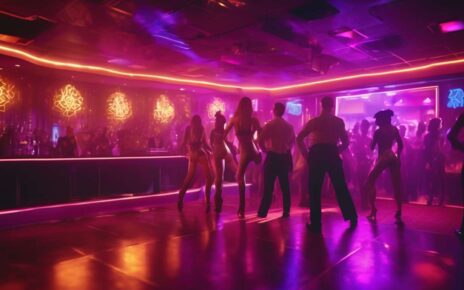
Our first night on the floor felt less like stepping into a club and more like entering a boutique hotel lobby—soft lighting, attentive smiles, and playlists curated to guests’ rhythms.
We watched as servers learned names and drink preferences, while hosts anticipated conversational cues; the stage became just one element in a layered hospitality experience.
That evening crystallized a realization: principles from upscale service were migrating into spaces long defined only by spectacle.
As entrepreneurs, performers, and managers, we began experimenting—implementing reservation tones, personalized greetings, and feedback loops that honored both artistry and comfort.
This article traces how hospitality trends are reshaping exotic dancing customer service, exploring the benefits and tensions that arise when efficiency, empathy, and elevated expectations meet nightlife culture.
We’ll share observations, practical changes we tested, and the subtle shifts in patron dynamics that suggest a new standard for what respectful, profitable entertainment can look like.
Hospitality Meets Nightlife
We blend hospitality standards with nightlife energy to create welcoming, memorable experiences that respect both service etiquette and the club’s vibe.
We focus on a consistent guest experience that makes everyone feel seen and safe from the moment they enter.
Our ambient design balances intimacy and openness so people relax, connect, and belong without feeling exposed.
We train staff to read rooms, de-escalate tensions, and maintain dignity for guests and performers alike.
- Staff training emphasizes empathy, discretion, and clear communication.
We keep procedures simple and visible—greeting protocols, clear signage, and thoughtful seating layouts—so visitors know what to expect and can settle in quickly.
We value routines that protect privacy while encouraging sociability, like respectful service pacing and attentive but unobtrusive floor presence.
By treating professional standards and nightlife rhythm as complementary, we build spaces where community forms naturally, standards are upheld, and every person can participate in an atmosphere that feels both exciting and grounded.
Personalized Guest Experiences
We tailor interactions and offerings to individual preferences so each visitor feels recognized, comfortable, and valued from arrival to departure.
We listen, remember names, and adapt service rhythms so the guest experience feels intentionally personal rather than scripted.
We invite regulars and newcomers alike into a welcoming circle by offering choices—music level, seating, and interaction style—that respect boundaries and encourage connection.
We train staff to read cues, document preferences, and follow subtle protocols that maintain privacy and dignity.
- Staff training emphasizes empathy, consent, and consistent follow-through.
- Staff are taught to observe and respond, not to pry.
We use discreet systems to record likes and avoidances so people aren’t repeatedly asked questions they’ve already answered.
- Systems are designed to be unobtrusive and privacy-preserving.
- Records help staff deliver smoother, faster, and more meaningful service.
We balance efficient operations with warmth, ensuring personalization doesn’t slow service.
We coordinate with ambient design elements to support comfort without dictating behavior, making spaces feel familiar and safe.
In doing this, we create a dependable, inclusive environment where belonging is built through attentive, respectful personalization of every guest experience.
Ambient Design Strategies
We craft lighting, sound, scent, and layout to subtly guide comfort and behavior while preserving privacy and choice.
Ambient design creates safe, inclusive zones where people feel seen and welcome.
- We balance warm, adjustable lighting and layered sound that supports conversation without exposing intimacy.
- We use scent sparingly to cue calm rather than overpower.
Every spatial choice reinforces autonomy, letting guests choose visibility and proximity.
- Seating clusters, sightlines, and transitional buffers give guests control over how visible or private they are.
- Durable, tactile materials invite touch while maintaining hygiene and dignity.
- Signage, entry flows, and restroom access are discreetly intuitive so belonging feels effortless.
We coordinate ambient design with guest experience goals.
- Predictable comfort.
- Easy social navigation.
- Respectful distance options.
We document protocols and share them with staff through concise briefing materials to ensure consistency.
- Briefings ensure the environment is presented coherently and welcomingly.
- Consistency helps guests relax into the shared rhythm of the night without pressure or confusion.
Staff Training Upgrades
We’re upgrading frontline skillsets with focused modules on safety, communication, de-escalation, and inclusive service so every team member can respond confidently and respectfully.
We build staff training around real scenarios that reflect our venue’s values and ambient design, so learning feels relevant and immediately usable.
We practice conversational techniques that center guest experience, teach boundary-setting that protects performers and patrons, and role-play escalation paths that prioritize calm, swift resolution.
We’ll run short, frequent sessions to keep skills sharp and accessible, using peer coaching to reinforce a culture of mutual support.
We’re clear about expectations, offer feedback loops, and invite team input to evolve training content.
We tie training to measurable guest experience outcomes to create accountability and celebrate improvements together.
The result: everyone feels seen, safe, and part of a shared mission — delivering respectful, welcoming service within a thoughtful, well-designed environment.
Reservation and Entry Systems
We’ll streamline reservations and entry workflows to balance ease for customers, performer safety, and efficient door operations.
Implement a unified booking platform that:
- Confirms venue capacity.
- Assigns seating zones.
- Shares arrival windows so guests feel welcomed and part of a predictable rhythm.
Enable regulars to register preferences to reinforce belonging and tailor the guest experience.
At the door, combine clear signage and soft ambient design cues to reduce confusion and create a calm, inclusive arrival.
Train staff on consistent greetings, discreet ID checks, and quick conflict de-escalation so entry feels respectful and secure for everyone.
Coordinate with performers to respect private arrival routines and ensure safe backstage access.
Use staggered entry and digital alerts to prevent bottlenecks while maintaining atmosphere.
Track metrics on wait times and entry incidents to guide targeted adjustments.
Keep teams aligned through routine briefings so every night feels like a shared, well-run occasion.
Feedback-Driven Improvements
We will collect, analyze, and act on feedback from customers, performers, and staff to iterate services, safety protocols, and operational workflows.
Channels for feedback will be regular and easy to use:
- Digital surveys
- Suggestion boxes
- Short debriefs
We summarize responses quickly and look for recurring themes tied to guest experience and ambient design.
Prioritization focuses on changes that make people feel safer and more welcome.
We share findings transparently with staff and performers and map out tactical steps:
- Adjust lighting or seating to improve comfort
- Refine entry flow to reduce friction
- Update staff training modules to reflect real concerns
We pilot small changes, measure impact, and scale what works.
By closing the loop—telling contributors what changed and why—we reinforce belonging and trust.
Our cycle is pragmatic and continuous: listen, act, measure, and communicate, so the venue evolves with the community it serves.
Balancing Service and Performance
We’ll strike a clear balance between attentive service and uninterrupted performances so customers feel valued without distracting artists.
We focus on shaping the guest experience so everyone—staff, performers, and patrons—feels respected and connected.
By aligning shift protocols with stage schedules, we ensure service moments happen between sets rather than during them, preserving rhythm and flow.
We use ambient design to signal transitions:
- Lighting cues
- Subtle music shifts
- Designated service aisles
Our staff training emphasizes situational awareness, discreet timing, and empathetic communication so team members can read the room and act in ways that reinforce safety and inclusion.
We’ll solicit input from performers and guests to refine routines, keeping policies flexible and rooted in mutual respect.
When service complements performance, we create a welcoming atmosphere where presence feels celebrated, interactions feel seamless, and the whole house shares a sense of belonging without compromising artistic focus.
Financial and Ethical Outcomes
We’ll evaluate how revenue models, operational costs, and ethical guidelines interact to ensure our club stays profitable while protecting performers’ rights and patrons’ dignity.
We balance transparency in pricing with fair pay structures so everyone feels valued and included.
- Transparent pricing (cover fees, menu prices, service charges) builds trust.
- Fair pay structures (living wages, clear schedules, tip sharing) ensure performers and staff are compensated equitably.
Our decisions center on guest experience without compromising safety; revenue streams like cover fees, VIP areas, and beverage sales are designed to support living wages and tip sharing.
- Cover fees provide baseline revenue to fund wages and safety measures.
- VIP and premium offerings increase per-guest revenue while maintaining standard services for all.
- Beverage and merchandise sales create high-margin income that can subsidize ethical labor practices.
We invest in ambient design that promotes comfort and privacy, reducing conflict and boosting repeat visits.
- Thoughtful layout, lighting, and seating encourage respectful interactions.
- Privacy elements (booths, curtains, staggered table placement) protect patrons and performers.
- Comfortable, inviting spaces enhance retention and word-of-mouth referrals.
Thoughtful layout, lighting, and seating help us create a welcoming community where boundaries are clear and respected.
- Use design to delineate performer spaces, staff zones, and patron areas.
- Clear signage and unobtrusive barriers support consent and boundary recognition.
We prioritize staff training on consent, de-escalation, and anti-harassment policies so employees and performers can thrive.
- Regular, scenario-based training strengthens confidence and consistency.
- Enforced policies and clear reporting channels protect everyone and reduce liability.
Regular audits and feedback loops let us adjust pricing and operations to meet ethical standards while keeping overheads manageable.
- Conduct periodic financial and ethical audits.
- Collect anonymous performer and patron feedback.
- Iterate pricing, staffing, and safety measures based on data.
By aligning financial incentives with dignity-focused policies, we cultivate trust, strengthen belonging, and sustain a resilient business model that serves everyone.
How do local laws and licensing requirements specifically affect exotic dancing establishments compared to other hospitality venues?
Exotic dancing venues are governed by stricter local laws and licensing requirements than typical hospitality businesses (restaurants, bars, hotels).
Adult-entertainment permits and zoning restrictions often apply specifically to exotic clubs, requiring separate licenses beyond standard business or liquor permits and limiting where such venues can operate (e.g., buffers from schools, churches, and residential areas).
Conduct rules are more restrictive, with local ordinances commonly dictating rules about dancer nudity or attire, proximity to patrons, and interactions involving alcohol (for example, prohibitions on lap dances or requirements that dancers stay a set distance from customers).
Compliance costs and regulatory burdens are higher, as exotic clubs frequently face specialized permit fees, mandatory training for staff, and ongoing obligations such as posting licenses, maintaining CCTV, and creating employee policies.
Inspections and record-keeping demands are more frequent and detailed, including regular code or licensing inspections, incident reporting, age verification records, payroll and tip reporting scrutiny, and retention of security logs — all of which raise administrative overhead and shape hiring and scheduling practices.
Staffing, safety, and operational protocols are therefore affected, with venues needing more robust security, clear performer contracts, private-areas policies, and health-and-safety procedures to meet regulatory and insurance requirements.
Community relations and public perception become critical operational issues. Many municipalities expect outreach, participation in neighborhood meetings, or mitigation plans (lighting, soundproofing, security measures) to address local concerns and reduce opposition.
Tailored legal counsel and proactive compliance strategies are essential. Because regulations vary widely by jurisdiction and change frequently, clubs benefit from attorneys familiar with adult-entertainment law to navigate permitting, defend against enforcement actions, draft policies, and create compliance programs that allow them to operate responsibly and integrate into their communities.
What are best practices for handling incidents of illegal activity (e.g., drug use, assault) on the premises while maintaining guest privacy and venue reputation?
We will address illegal incidents on-site while protecting privacy and reputation.
Immediate actions:
- Separate involved parties to prevent escalation and preserve privacy.
- Secure the scene to protect evidence and ensure safety.
- Contact law enforcement when necessary—call 911 or local police if there is imminent danger, serious injury, or criminal activity.
Documentation and communication:
- Document facts discreetly—record objective observations (who, what, when, where) without conjecture.
- Limit staff briefings to need-to-know personnel to protect privacy and avoid misinformation.
- Communicate transparently with stakeholders (owners, management, affected guests) while maintaining confidentiality.
Support and follow-up:
- Offer support to affected guests and staff, such as medical care, counseling referrals, or temporary accommodations.
- Review policies and train staff regularly on incident response, privacy, and legal obligations to prevent recurrence.
- Maintain trust in the venue by acting swiftly, fairly, and consistently, and by documenting corrective actions and lessons learned.
How can exotic dancing venues collaborate with community organizations to improve public perception and support worker safety?
We can partner with local nonprofits, health services, and worker-rights groups to host workshops, offer resources, and run joint community events that humanize performers and build trust.
We’ll invite stakeholder feedback, share safety protocols, and create referral pathways for counseling and legal aid.
By being transparent, respectful, and proactive, we’ll strengthen community ties, reduce stigma, and demonstrate that our venue prioritizes dignity, safety, and mutual support for everyone involved.
Conclusion
You’re positioned to transform exotic dancing venues by treating patrons like guests, blending hospitality standards with nightlife energy.
By personalizing experiences, refining ambiance, training staff in service and safety, and streamlining reservations, you’ll boost satisfaction and revenue.
Use guest feedback to iterate, and balance attentive service with performers’ boundaries to maintain ethics and comfort.
When you prioritize both experience and professionalism, you’ll create sustainable, profitable spaces where performers and guests both thrive.