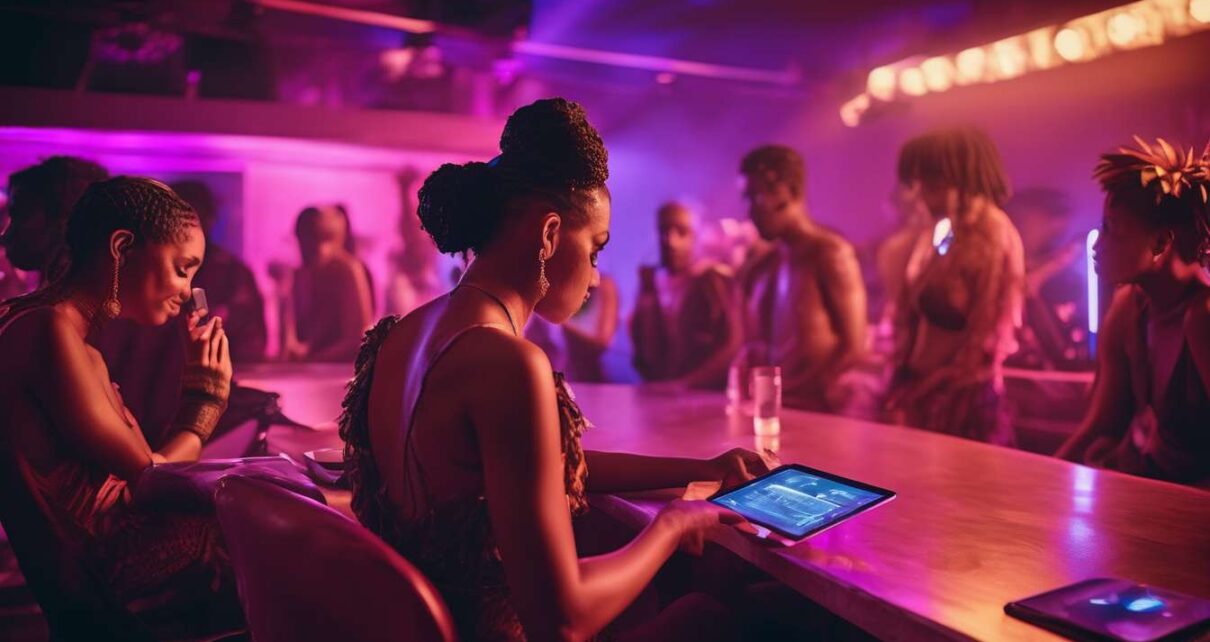
Problem statement: Revenue pressures, changing regulations, and shifting performer expectations have created an urgent issue: workplace culture in exotic dancing businesses is evolving unevenly, leaving many workers vulnerable while others benefit from progressive change.
Core intersectional issues: We must confront how inconsistent policies, inadequate safety measures, and lingering stigma intersect with dancers’ rights, pay structures, and managerial practices.
Responsibility and aim: Our collective responsibility is to map where practices empower autonomy and where they perpetuate exploitation, recognizing that what helps one club may harm another.
Structural issues to examine:
- Contract terms.
- Tip reporting and payment systems.
- Security protocols.
Human dimensions to examine:
- Respectful communication.
- Training and professional development.
- Career pathways and exit supports.
Goals of the examination: Together, we will spotlight practical reforms, identify legal gaps, and highlight examples of clubs that balance profitability with dignity.
Desired outcome: By addressing these problems directly, we can propose realistic steps for owners, workers, and policymakers to foster safer, fairer, and more sustainable workplace cultures across the industry.
Industry Shifts and Drivers
We’ve seen rapid changes in exotic-dancing businesses driven by technology, regulation, and shifting consumer tastes.
Clubs are adopting digital booking and cashless payments, performers are using social platforms to build loyal followings, and communities are forming online to share tips.
We’re committed to centering worker-centered safety as a core value.
- This includes creating shared norms for screening, de-escalation, and venue design that protect everyone.
We’re rethinking compensation models to balance guaranteed pay, tips, and revenue-sharing.
- The goal is income that is fair and predictable while preserving performer autonomy.
We recognize that policy changes and public perception influence daily choices.
- We respond by coordinating advocacy, training, and peer support.
We will keep listening to one another and learning what practices sustain belonging and dignity.
- We’ll adjust workplaces so members feel respected and secure.
Our shared goal is a resilient, inclusive industry where safety and fair pay go hand in hand with creative expression.
Contractual Practices
Clarify contractual practices up front so performers and managers know rights, responsibilities, payment terms, and dispute-resolution pathways.
Design agreements that are simple, transparent, and mutually respectful so everyone feels included and protected.
Spell out schedules, shift expectations, and acceptable conduct to reduce ambiguity and foster trust.
Prioritize worker-centered safety clauses with clear protocols, including:
- Harassment reporting procedures.
- Private security response steps.
- Medical leave policies.
Use plain language and provide documents in advance so processes are easy to understand and review.
Include flexible provisions that recognize diverse compensation models and align contracts with how dancers earn income, without dictating every earning detail.
Make renewal, amendment, and termination clauses fair and mediation-friendly so issues can be discussed before escalation.
Standardize dispute-resolution pathways and offer accessible explanations to create a culture where performers and staff feel they belong, understand their protections, and can rely on consistent, equitable treatment.
Pay and Tip Systems
We’ll clearly define how pay and tips are collected, split, and disbursed so performers know exactly what to expect and managers can enforce fair, consistent practices.
We outline transparent compensation models that list base pay, tip-outs, and service charges, so everyone can track earnings without guesswork.
We agree on regular, documented pay periods and prompt electronic disbursements to reduce disputes and build trust.
We establish clear rules for tip etiquette and pooling, making sure dancers can opt into systems that match their comfort and role.
We prioritize worker-centered safety by ensuring financial practices don’t pressure performers into unsafe situations; earnings shouldn’t depend on compromising boundaries.
We train staff to handle cash and digital tips securely and to record transactions accurately.
We encourage open feedback and periodic reviews of pay structures so our team feels seen, supported, and fairly compensated.
By standardizing these systems, we create a more inclusive, stable workplace within the exotic dance industry.
Safety and Security Protocols
We’ll implement clear, practical safety and security protocols that protect performers, staff, and patrons while ensuring incidents are prevented, reported, and addressed promptly.
We’ll center policies on worker-centered safety, designing entrance and backstage layouts, lighting, and surveillance with dignity and privacy in mind.
We’ll train teams on de-escalation, emergency response, and respectful intervention so everyone feels supported, not policed.
We’ll create accessible reporting pathways with neutral investigators and timelines that build trust and accountability.
We’ll align safety with fair compensation models by ensuring time spent on security tasks or trainings is paid, and by removing pay penalties tied to incidents outside workers’ control.
We’ll standardize tools and governance:
- Standardized incident logs.
- Regular safety audits.
- Joint staff-performer safety committees so voices from across the exotic dance industry shape practices.
We’ll maintain accountability and support by regularly reviewing policies, sharing outcomes transparently, and offering counseling and legal resources after incidents.
By doing this together, we’ll foster a workplace where belonging, protection, and professional respect are everyday expectations.
Workplace Communication Standards
We will establish clear, respectful communication standards that prioritize transparency, consent, and timely information-sharing among performers, staff, and management.
Key elements:
- Regular check-ins to surface concerns and align expectations.
- Simple reporting channels that are easy to use and widely known.
- Group norms that encourage speaking up without fear.
Rationale: In the exotic dance industry, gossip and mixed messages erode trust. We commit to consistent updates about shift changes, policy revisions, and financial matters that affect everyone so people can rely on accurate information.
We center worker-centered safety in daily conversations by normalizing boundary-setting, immediate incident reporting, and coordinated responses that protect dignity.
Practices:
- Normalize boundary-setting in training and routine communications.
- Immediate incident reporting with clear steps for who to notify and expected response times.
- Coordinated responses that prioritize safety and confidentiality.
Language and tone: Use non-blaming, solution-focused language so people feel heard and supported.
We make compensation models transparent: tips, house fees, and pay policies are explained plainly and posted where everyone can access them.
Actions:
- Post clear breakdowns of tips, house fees, and pay policies in accessible locations.
- Provide regular reminders and updates when policies change.
By combining respectful tone, predictable procedures, and shared expectations, we build a culture where belonging grows from reliable communication, mutual respect, and the knowledge that each voice matters to the wellbeing and sustainability of our workplace.
Commitments:
- Maintain predictable, timely communications about operational and financial changes.
- Reinforce norms that protect dignity and encourage reporting.
- Review and update communication and compensation info regularly with input from all roles.
Training and Professional Development
We provide ongoing, practical training and clear pathways for professional development that build skills in performance, customer interaction, safety, and financial literacy.
Training formats:
- Cohort-based workshops.
- One-on-one coaching.
- Peer-led sessions taught by experienced dancers who understand the realities of the exotic dance industry.
Core session topics:
- Stagecraft and audience engagement.
- Conflict de-escalation and boundaries.
- Hazard recognition and emergency response.
- Rights awareness and worker-centered safety practices.
We use interactive methods to reinforce learning.
- Role-play scenarios to build confidence and apply skills.
- Mentorship circles to normalize questions, share strategies, and celebrate progress.
- Modules that combine practical exercises with peer feedback.
Financial literacy is integrated into professional development.
- Budgeting and tax basics.
- Explanations of diverse compensation models.
- Planning tools to support short- and long-term stability.
Our approach centers accessibility, relevance, and individual agency.
- Transparent, skills-based training rather than one-size-fits-all mandates.
- Emphasis on building belonging and collective expertise.
- Pathways designed to strengthen both individual agency and the community’s professional standards.
Career Pathways and Support
We create clear, stepwise career pathways and wraparound supports that help dancers advance skills, increase earnings, and transition into leadership or alternative careers as they choose.
Pathways we map and support:
- Newcomer mentorship to lead performer.
- Lead performer to floor manager and educator roles.
- Entrepreneurship, event production, and advocacy roles.
We offer concrete training and resources to ensure no one feels isolated:
- Training programs (skills, teaching, management).
- Resume help and portfolio development.
- Networking and peer-mentoring opportunities.
We center this work in an inclusive vision of the exotic dance industry where people belong and have choices.
We prioritize worker-centered safety alongside skill and business development, integrating trauma-informed practices and flexible scheduling.
Support services we provide:
- Access to health counseling.
- Financial counseling and planning.
- Flexible scheduling and workplace accommodations.
We pilot varied compensation models so earnings are predictable and fair:
- Base pay plus tips.
- Guaranteed shifts.
- Performance bonuses.
- Revenue-sharing arrangements.
We build clear promotion pathways and transparent evaluation, with explicit criteria for advancement and measurable benchmarks.
By aligning supports — mentorship, equitable pay structures, and professional development — we create a culture where dancers can grow, lead, and move between roles with dignity and mutual support.
Policy Recommendations and Reforms
We recommend targeted policy reforms that protect dancers’ rights, increase economic stability, and remove legal and regulatory barriers to safety and career advancement.
We propose standardized licensing that respects privacy and reduces arbitrary enforcement, creating a predictable environment where performers feel included rather than policed.
We advocate for worker-centered safety measures:
- Mandatory training.
- Clear reporting channels.
- Third-party oversight.These measures prioritize wellbeing without stigmatizing the exotic dance industry.
We support transparent compensation models that guarantee base pay, fair tip-sharing rules, and access to benefits such as healthcare and retirement planning, so everyone can plan a future here.
We call for collaborative policymaking that includes dancers, managers, and community advocates to ensure reforms reflect lived experience.
We urge decriminalization of consensual work and elimination of zoning and permitting practices that isolate venues and increase risk.
Together, we’ll push for reforms that build dignity, stability, and collective belonging across the industry.
How do exotic dancers balance their public persona with their private life and relationships?
We ask how exotic dancers balance public persona with private life and relationships, and we answer from shared experience.
We set boundaries, pick what we reveal, and protect loved ones.
We lean on trusted friends and partners, keep routines that separate stage and home, and communicate openly about work.
We celebrate our identities while guarding privacy, negotiate expectations, and support one another to maintain emotional safety and connection.
What mental health resources or counseling options are commonly used by dancers to cope with stress, trauma, or burnout?
We often turn to therapists who specialize in trauma, peer support groups, and cognitive behavioral therapy to cope with stress and burnout.
We also use hotlines, online counseling apps, and community clinics for affordable care.
We lean on workplace-based resources like manager check-ins and referral programs.
We practice self-care through mindfulness, exercise, and boundaries.
We’re open to group therapy and trauma-informed providers who respect our experiences and privacy.
How do dancers handle social stigma from family, friends, or the broader community outside workplace policies?
We talk openly about stigma and lean on chosen family.
We’ll set boundaries with relatives, limit disclosure, and prepare short responses to common questions.
We’ll seek supportive friends, peer groups, or online communities that get our experience.
We’ll celebrate our skills and share resources to educate others when it feels safe.
We’ll also access counseling or advocacy groups to process hurt and build resilience together.
Conclusion
You’ve seen how exotic dancing workplaces are shifting: you’re navigating changing contracts, pay systems, and stronger safety protocols.
You’re part of communication and training improvements that create clearer career pathways and professional support.
You’re affected by evolving norms and benefit when reforms prioritize transparency, fairness, and health.
You’ll best thrive when managers, dancers, and policymakers collaborate to sustain respectful, safe environments that balance creative freedom with financial stability and worker protections.