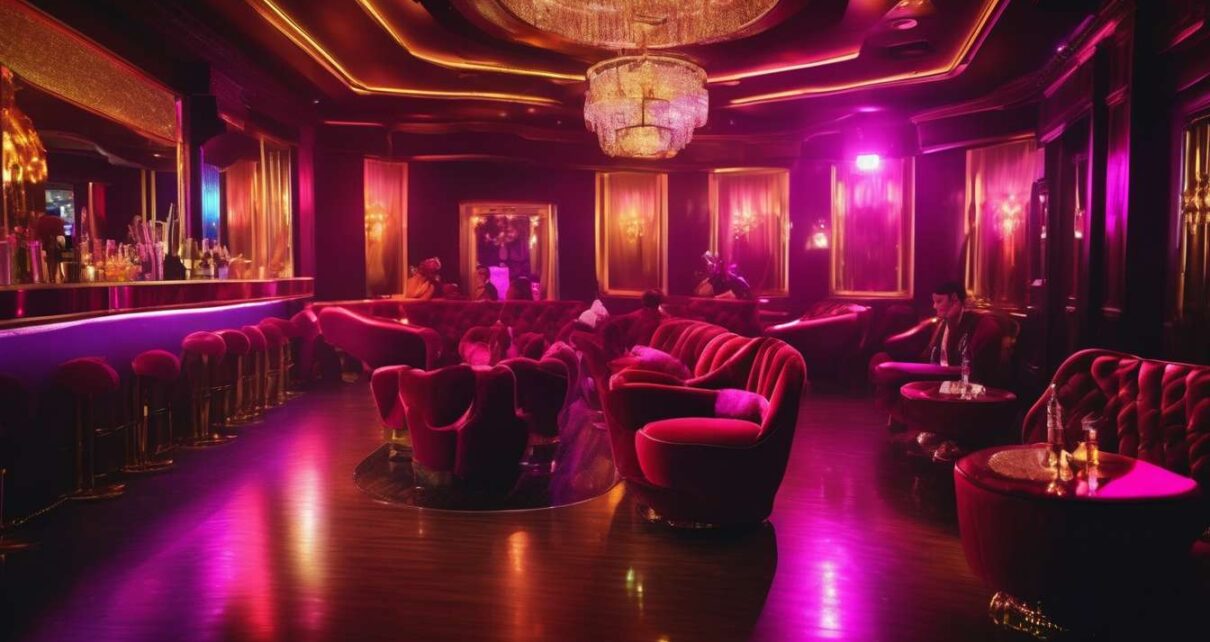
Even as classic neon signs still flicker outside clubs, the inside experiences increasingly resemble boutique hotels rather than the smoky, chaotic rooms of the past.
We’re witnessing a deliberate shift in club culture: curated lighting, trained staff, clear consent policies, and premium amenities are replacing anonymity and improvisation.
By comparing these venues to other service industries, the logic becomes clear: repeat patronage depends on comfort, dignity, and consistent quality just as much as on spectacle.
Management practices borrowed from hospitality, retail, and tech are elevating standards for safety, communication, and customer satisfaction.
These changes have concrete impacts for different stakeholders:
- Performers: higher earnings potential, clearer boundaries, and improved working conditions.
- Patrons: safer, more comfortable experiences and clearer expectations.
- Communities: stronger local partnerships, reduced complaints, and better reputation management.
Tangible outcomes already being tracked include reduced incidents, higher tips, and more robust local partnerships.
As standards rise, key questions emerge about regulation, authenticity, and the balance between entertainment and professionalism—questions that will shape the future direction of these venues.
Evolution of Club Design
We’ve seen club design shift from dim, compartmentalized rooms to open, stage-focused layouts that prioritize visibility, sound, and guest flow.
Seating and sightlines are arranged to create shared experiences.
- Seating circles the stage so patrons share reactions.
- Pathways keep movement smooth so no one feels excluded.
Performer safety is balanced with atmosphere through practical measures.
- Clear stage barriers.
- Designated entry points.
- Unobstructed staff lines to intervene if needed.
Lighting and acoustics are tuned for comfort and clarity.
- Performers don’t have to strain.
- Patrons can enjoy shows without yelling over each other.
Design choices act as extensions of customer experience standards.
- They set expectations about respect, interaction, and shared enjoyment.
Staff wellbeing and performer-management trust are supported by dedicated spaces.
- Areas for staff to decompress.
- Spaces for brief, private conversations.
Thoughtful physical layouts enable more effective hospitality-driven service.
- They give teams the sightlines and circulation needed to respond quickly and compassionately.
Hospitality-Driven Service Models
We prioritize service that anticipates needs, blends discretion with warmth, and makes every guest feel welcomed without undermining performers’ agency.
In adopting hospitality-driven service models, we focus on creating consistent, respectful interactions where customer experience centers on belonging and thoughtful attention.
We train staff to:
- Read atmosphere cues.
- Offer genuine conversation.
- Provide seamless table and drink service that supports the evening’s flow.
We design roles and routines that elevate performer safety by minimizing disruptions and ensuring venue practices reduce risky moments.
Our policies clarify how servers, hosts, and management collaborate to maintain comfort for guests and performers alike, reinforcing respectful boundaries while delivering elevated hospitality.
We measure success through:
- Guest feedback.
- Customer retention.
- Performer input.
We adjust routines based on these measures to preserve dignity and enjoyment.
By making hospitality-driven service the baseline, we create venues that feel inclusive, calm, and intentional — places where people want to return because they’re seen, respected, and part of a welcoming community.
Consent and Safety Protocols
We establish clear, enforceable consent and safety protocols that staff and performers understand, follow, and can rely on in every interaction.
We create straightforward signals, verbal scripts, and visible signage so boundaries are explicit and respected.
- These remove ambiguity and build trust.
- Clear signals and scripts strengthen the customer experience by making expectations obvious.
We train teams in de‑escalation, incident reporting, and consistent enforcement so everyone feels seen and supported.
- Training ensures staff can respond confidently and uniformly.
- A shared approach fosters belonging among staff and regulars alike.
We prioritize performer safety through routine safety briefings, access to secure exits, and a culture that empowers performers to pause or stop interactions without question.
- Performers must have the explicit ability to stop interactions immediately.
- Secure exits and regular briefings keep safety practices current and front of mind.
We pair hospitality‑driven service with firm boundaries, showing patrons warmth while upholding nonnegotiable rules.
We gather feedback from performers and guests, measure protocol effectiveness, and iterate policies transparently.
- Collect qualitative and quantitative feedback.
- Assess outcomes and incident patterns.
- Update protocols and communicate changes openly.
By centering consent and safety, we ensure a welcoming atmosphere where performers and customers can enjoy engaging, respectful experiences.
- Belonging grows when people know they’re protected and respected.
Performer Professionalization
Professional development and career progression.
We invest in ongoing training, clear career pathways, and professional standards so performers can hone their craft, increase earnings, and feel respected as skilled professionals.
Key components:
- Mentorship programs that pair newer performers with experienced peers.
- Technique workshops to refine skills and stagecraft.
- Etiquette sessions to strengthen audience interaction and stage presence.
Benefits: clearer progression, higher earnings potential, and increased respect for performers as professionals.
Transparent compensation and advancement.
We set transparent pay structures and advancement criteria so everyone sees how to grow, fostering trust and collective pride.
Key components:
- Published pay scales and bonus structures.
- Clear criteria for promotions and role changes.
- Regular reviews and opportunities to discuss progress.
Safety and predictable venues.
We prioritize performer safety through mandatory security protocols, self-defense training, and accessible reporting channels, making our spaces predictable and secure.
Key components:
- Mandatory security procedures and trained security staff.
- Self-defense and de-escalation training for performers.
- Confidential, accessible incident reporting and response pathways.
Hospitality with boundaries.
We emphasize hospitality-driven service standards that balance warmth with boundaries, teaching performers and staff how to welcome guests while protecting personal limits.
Key components:
- Training on welcoming guest interactions that maintain professional limits.
- Role-playing and scripts for common scenarios.
- Clear policies on acceptable guest behavior and enforcement measures.
Performer-led feedback and co-design.
We hold regular feedback circles where performers share needs and co-design policies, reinforcing belonging and shared responsibility.
Key components:
- Regular, facilitated feedback sessions.
- Collaborative policy development with performer representation.
- Mechanisms to track implementation and follow-up.
Outcome: respectful, sustainable entertainment ecosystems.
By professionalizing roles, we elevate standards for talent and patrons alike, ensuring performers thrive, patrons feel valued, and our venues model respectful, sustainable entertainment ecosystems.
Technology Enhancements
We’ll integrate smart tools and user-friendly platforms to streamline operations, enhance performer tools, and personalize guest interactions.
- We’ll deploy reservation apps, in-venue wayfinding, and tailored messaging that respect privacy while making patrons feel known and welcomed.
- Our tech will center customer experience by reducing wait times, offering clear etiquette guidance, and enabling discreet requests so everyone feels cared for.
We’ll prioritize performer safety with wearable alert systems, real-time incident reporting, and secure back-of-house access controls.
- These technologies won’t replace human judgment; they’ll back performers and staff so we can respond quickly and compassionately.
- We’ll train together on new systems, fostering a shared sense of competence and trust.
We’ll also use analytics to refine hospitality-driven service—identifying what creates comfort, community, and repeat visits without commodifying people.
- By choosing inclusive interfaces and transparent data practices, we’ll invite guests and performers into a safer, friendlier space where dignity, belonging, and excellent service go hand in hand.
Pricing and Membership Strategies
We’ll design transparent, tiered pricing and membership options that balance accessibility for guests with fair, reliable earnings for performers.
Pricing structure:
- Clear entry tiers.
- Timed packages.
- Member benefits.
Pricing principle: Pricing will reflect contributions to performer safety and venue operations rather than hidden fees, reinforcing trust.
We’ll structure memberships to reward regulars while ensuring non-members still feel welcome.
Membership features:
- Priority seating.
- Respectful interaction guidelines.
- Hospitality-driven service touches (for example, curated welcome experiences).
Revenue transparency: Revenue shares and tip-forward mechanisms will be explicit so performers can plan earnings and management can uphold standards tied to performer safety.
Member education: We’ll use short, compassionate reminders about etiquette and consent to nurture a community that values dignity.
We’ll monitor pricing impacts and adjust to maintain accessibility and sustainable pay.
Feedback and adjustment:
- Use simple surveys to monitor pricing impacts.
- Adjust tiers based on survey results to maintain accessibility and sustainable performer pay.
Outcome: By aligning value, transparency, and respectful service, we’ll deepen belonging, improve customer experience, and support a safer, more professional venue for everyone.
Community and Regulatory Relations
We’ll build constructive relationships with local stakeholders and regulators so our venue operates transparently, complies with laws, and contributes positively to the neighborhood.
We’ll invite community leaders, nearby businesses, and enforcement agencies to regular dialogues so concerns get heard and addressed early.
By sharing our customer experience goals and safety protocols, we show we’re accountable and aligned with community standards.
We’ll prioritize performer safety through clear policies, training, and collaboration with health and licensing bodies, reinforcing that talent wellbeing is central to our hospitality-driven service.
We’ll co-create neighborhood initiatives to knit us into the community fabric and reduce friction, such as:
- Quiet hours
- Safe transit partnerships
- Local hiring
We’ll publish concise compliance summaries and contact points so residents and authorities can reach us easily.
By centering belonging, mutual respect, and transparent operations, we’ll strengthen trust, improve patron behavior, and ensure regulators see us as partners in sustaining a safe, welcoming entertainment destination.
Measuring Experience Outcomes
Measurement approach: We’ll measure outcomes using a mix of quantitative metrics and qualitative feedback so we can track progress, prove impact, and prioritize improvements.
Key metrics collected:
- Customer experience ratings
- Repeat-visit rates
- Net promoter scores
- Incident reports to keep performer safety central
- Response times for staff interventions
- Training completion for hospitality-driven service standards
Ongoing feedback channels: We’ll run short, anonymous surveys after visits and host monthly focus groups with performers and regulars so everyone’s voice shapes priorities.
Analysis and action: We’ll analyze patterns in complaints and compliments, then map them to policy changes and training updates.
Transparency: We’ll publish quarterly dashboards to show progress, gaps, and next steps — transparency that builds trust and belonging.
Financial linkage and iteration: We’ll tie financial KPIs to wellbeing metrics to show how respectful environments and consistent hospitality-driven service boost loyalty and revenue.
Continuous improvement: We’ll iterate: test small changes, measure effects, and scale what works. By centering performer safety and shared feedback, we’ll make customer experience improvements that feel fair, measurable, and sustainable.
How do clubs balance the expectations of regular local customers with the desire to attract new, diverse audiences?
Question: How do clubs balance loyal regulars’ needs with attracting new, diverse audiences?
Answer:
Community listening and feedback.
- We actively listen to our patrons through surveys, comment cards, informal conversations, and social media.
- We gather feedback regularly and use it to adapt offerings and make improvements.
Preserve trusted favorites.
- We keep familiar menus, signature drinks, popular nights, and routines that longstanding patrons expect.
- Maintaining these anchors ensures regulars feel valued and comfortable.
Introduce fresh, respectful events.
- We program occasional new nights, guest DJs, themed events, and cross-cultural showcases that complement—not replace—core offerings.
- New events are introduced gradually and framed as additions rather than substitutions.
Inclusive promotions and staffing.
- We create inclusive marketing that highlights diversity and signals welcome to new audiences.
- We train staff in hospitality, cultural sensitivity, and de-escalation so all guests feel respected and safe.
Variety of nights and spaces.
- We offer a rotating mix of events (e.g., low-key lounge nights, dance nights, community meetups) to appeal to different groups without alienating regulars.
- Physical layout and scheduling can designate quieter zones or specific evenings tailored to particular crowds.
Celebrate shared experiences.
- We highlight moments that unite patrons—anniversaries, community nights, loyalty perks—to foster belonging across groups.
- Regular recognition of longtime patrons (e.g., specials, shout-outs) signals appreciation while welcoming newcomers.
Ongoing balance and adaptation.
- Collect input and measure outcomes.
- Pilot new ideas on a small scale.
- Communicate changes clearly to regulars.
- Iterate based on results and feedback.
Bottom line: By listening, preserving core offerings, introducing complementary new programming, training staff, and measuring outcomes, clubs can maintain trusted routines while inviting new energy—ensuring everyone who walks through the door feels a sense of belonging.
What training or resources are available for performers who want to transition into management, ownership, or booking roles within the industry?
We’re glad you asked about moving into management, ownership, or booking roles.
Access mentorship and formal training.
- We can access mentorship programs, industry workshops, and small-business courses tailored to nightlife operations.
- We’ll join peer networks, legal and financial clinics, and online modules covering HR, licensing, and marketing.
Gain practical experience.
- We’ll shadow established managers and seek internships.
- We’ll use community funds or cooperatives for startup support.
Commit to ongoing development and values.
- We’ll keep learning so we can lead with integrity and inclusivity.
How do venues handle disputes or grievances between performers and independent contractors (such as DJs, photographers, or security) regarding payment, scheduling, or conduct?
We handle disputes by first encouraging open, respectful conversations and documenting concerns.
When needed, we offer mediated meetings with managers to clarify contracts, schedules, or payment records.
We’ll pause services if safety is at risk.
We maintain clear written policies and use incident reports.
When necessary, we involve payroll or legal advisors.
Our goals are to restore trust, ensure fair resolutions, and keep everyone informed throughout the process.
Conclusion
You’re seeing exotic dance venues shift from shadows to service-oriented spaces where design, hospitality and safety matter equally.
Expect clearer consent protocols, professional training for performers, tech that enhances privacy and comfort, and flexible pricing or memberships that reward loyalty.
As clubs build community trust and navigate regulations, measurable customer-experience metrics will guide continual improvements.
Ultimately, these standards raise respect for performers and create safer, more welcoming experiences for everyone.