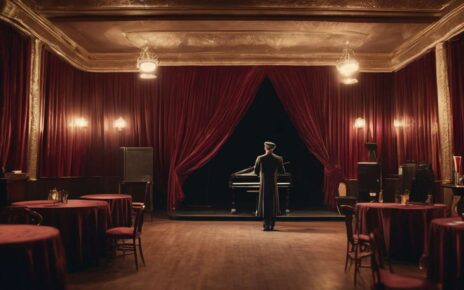
A few weeks ago we stood outside a newly opened venue, watching managers hustle through a maze of permits and signs that dictated where a stage could sit and how many patrons could linger.
We had come expecting glamor and late-night energy; instead we found a regulatory choreography that shaped every choice from lighting to beverage service.
As researchers and observers, we realized these local licensing rules do more than enforce safety — they sculpt business models, influence performer schedules, and determine neighborhood relations.
In this article we follow clubs, promoters, and regulators as they navigate zoning restrictions, decibel limits, and age classifications that vary block by block.
We explore how venues adapt creatively — sometimes relocating entrances, sometimes altering show formats — and how those adaptations affect dancers’ earnings and community perception.
Together we unpack the strategies that emerge when nightlife enterprises must translate local codes into viable, and often surprising, operational plans.
Regulatory Landscape Overview
We’ll begin by mapping the patchwork of local, state, and federal regulations that govern exotic dancing venues.
We know compliance feels like communal work, so we review adult entertainment licensing steps together, noting application timelines, renewal cycles, and required background checks.
We’ll track overlapping obligations:
- State health codes
- Local business permits
- Federal labor and nondiscrimination mandates
and we’ll make sure policies align across levels.
We acknowledge zoning restrictions influence where we can operate, but we won’t dive into land-use technicalities here; instead, we’ll note buffer requirements, proximity limits, and permit conditions that affect licensing outcomes.
We’ll also monitor decibel regulations, since sound limits and noise mitigation measures often appear as permit conditions or enforcement triggers.
By sharing checklists, sample timelines, and points of contact, we’ll support one another through inspections, hearings, and appeals.
Together we’ll build a clear compliance roadmap that preserves our businesses’ safety, dignity, and long-term viability.
Zoning and Land Use
We’ll map where venues can and can’t operate, summarizing buffer zones, proximity limits to sensitive uses, and special land‑use permits that shape location choices.
We’ll outline common zoning restrictions that require adult entertainment licensing applicants to locate a set distance from:
- Schools
- Parks
- Churches
- Residential zones
We want everyone reading to feel included: we’re examining rules so operators, neighbors, and advocates can work together.
We’ll note that conditional use permits or variances often mediate strict rules, letting communities weigh impacts while preserving business access.
We’ll explain how municipal maps and public hearings guide siting decisions and how unified approaches reduce conflict.
We’ll call attention to decibel regulations that interact with land use by:
- Limiting outdoor noise
- Informing where venues can feasibly operate without disturbing sensitive uses
By focusing on these practical land‑use levers, we’ll help stakeholders navigate placements that:
- Respect neighborhood character
- Pursue compliant operations under adult entertainment licensing frameworks
Licensing Categories Explained
We’ll break licensing into clear categories—such as performer permits, establishment licenses, and special activity endorsements—so everyone knows which approvals each role and operation needs.
Performer permits cover individuals who work on stage and include:
- Age verification.
- Background checks.
- Health compliance.
These permits let performers feel secure and respected within clear rules.
Establishment licenses apply to the business entity and include:
- Ownership vetting.
- Hours of operation.
- Compliance with local adult entertainment licensing statutes.
These licenses ensure venues operate transparently in our community.
Special activity endorsements handle one-off or elevated activities and include:
- Private rooms.
- VIP events.
- Promotions that require extra oversight.
These endorsements provide additional safeguards for higher-risk activities.
Interaction with zoning restrictions is explained to ensure venues sit where they belong, protecting both community character and business viability.
Note on noise and decibel rules: while not detailed here, decibel regulations often appear alongside these categories and can shape endorsements and operational limits.
Together, these defined categories help us:
- Navigate requirements.
- Support colleagues.
- Build compliant, welcoming spaces.
Noise and Decibel Limits
We will set clear maximum noise levels, measured in decibels, and define when and where lower limits apply to protect nearby residences and businesses.
Under adult entertainment licensing, we will map acceptable sound contours and require monitoring points at property lines.
- We will specify fixed maximum dB limits for different zones and times.
- We will identify specific property-line monitoring locations for each venue.
- We will spell out penalties and mitigation plans for repeat exceedances.
We recognize zoning restrictions that place some venues near sensitive uses, so we will offer graduated limits by time of night and proximity to housing, schools, and worship sites.
- Limits will become stricter closer to residences, schools, and places of worship.
- Nighttime curfews or lower dB caps will apply during designated late hours.
- Proximity tiers will be clearly defined (e.g., within 50 m, 50–200 m, >200 m).
We will require simple documentation and routine monitoring rather than punitive surprises.
- Venue operators must submit basic soundproofing plans and a schedule for periodic sound readings.
- Operators should maintain measured data logs and make them available on request.
- Corrective steps (insulation upgrades, speaker reorientation, level limits) will be prescribed before higher penalties are applied.
We will encourage operators to use measured data to demonstrate compliance and make rules predictable and fair.
- Promote compliance as part of responsible venue operation, not just enforcement.
- Use data-driven mitigation pathways to resolve exceedances quickly.
- Ensure rules balance vibrant nightlife with neighbors’ peace so performers and patrons feel welcome while protecting community wellbeing.
Stage and Layout Requirements
We’ll set clear stage and layout standards that ensure performer safety, audience visibility, and predictable emergency access while preserving artistic flexibility.
We design minimum stage dimensions, lighting sightlines, and railings to protect performers and let patrons feel close without compromising dignity.
In drafting these rules, we balance community concerns about zoning restrictions with the operational needs of venues, so operators know where and how to build within local limits.
We require unobstructed emergency exits, non-slip surfaces, and accessible paths for staff and first responders, and we expect management to document compliance as part of adult entertainment licensing.
We coordinate stage placement to minimize sound bleed into neighboring uses already constrained by decibel regulations, ensuring predictable programming that respects nearby residents and businesses.
By laying out clear, shared expectations for stages, wings, dressing rooms, and audience flow, we help venues foster inclusive spaces where performers, staff, and patrons feel safe, respected, and part of a community.
Age Verification Rules
Clear, consistent age verification procedures.
We will require clear, consistent age verification procedures that make it easy for staff to confirm patrons are legally allowed to enter while preventing underage access.
Standardized acceptable IDs and forgery training.
- Standardize which ID formats we accept (e.g., government-issued photo IDs, passports).
- Train teams to spot forgeries and handle suspicious documents discreetly.
Respectful discrete marking system.
- Use discreet badge or wristband systems so patrons feel respected and staff can easily identify who has been checked.
Align with licensing and community expectations.
We will align procedures with adult entertainment licensing standards to demonstrate to regulators and neighbors that we take safety seriously.
Written protocols, recordkeeping, and inspections.
- Create written protocols that tie into licensing renewals and inspections.
- Document refusals and staff actions to protect the venue and individuals.
Zoning-aware entry checks.
Where zoning restrictions separate venues from schools or parks, emphasize robust entry checks to reinforce community trust.
Minimize impact on sound limits.
We will ensure verification processes don’t clash with decibel regulations by positioning checkpoints away from performance areas to avoid disrupting sound limits.
Overall goal.
Our goal is an inclusive environment where staff and patrons feel they belong, regulations are met, and underage access is prevented efficiently and transparently.
Operational Workarounds
Goal: Identify practical, compliant workarounds so staff can maintain service and safety when standard procedures are impractical or temporarily unavailable.
Shared approach: We’ll share clear steps so every team member feels included and empowered.
When adult-entertainment licensing is delayed
- Document provisional policies.
- Log attempts to obtain paperwork.
- Use temporary signage to show transparency to inspectors and patrons.
When zoning restrictions limit hours or areas
- Coordinate shift patterns.
- Stagger service zones to remain within legal footprints while keeping colleagues working.
When decibel regulations conflict with performance needs
- Use calibrated monitors.
- Adjust setlists.
- Position speakers to reduce sound spillover without losing atmosphere.
Record-keeping and training
- Train staff on record-keeping that demonstrates good-faith compliance.
- Present a united front with regulators by keeping consistent, documented practices.
Principles: These operational workarounds prioritize safety, legal adherence, and team cohesion, ensuring nobody feels isolated when rules create practical hurdles.
Community Relations Strategies
We will build proactive community relations by engaging neighbors, local businesses, and officials with transparent communication, regular outreach, and mutually beneficial initiatives.
We will present our compliance plans early for adult entertainment licensing, clearly explain how we will respect zoning restrictions, and show concrete steps to meet decibel regulations.
We will invite feedback and foster trust by:
- Hosting town meetings to gather input.
- Holding open-house nights for stakeholders to tour the venue and ask questions.
- Encouraging ongoing dialogue so the community shares responsibility for outcomes.
We will form a community liaison team to handle concerns quickly, log responses, and adjust operations when patterns emerge.
We will create local economic ties by:
- Offering local hiring preferences.
- Partnering with nearby shops for cross-promotions that reinforce neighborhood membership.
We will propose targeted solutions when issues arise, such as:
- Soundproofing and acoustic improvements.
- Adjusted event times to reduce late-night disruption.
- Dedicated parking plans or traffic-management measures.
We will document agreements and report progress regularly to officials and residents so everyone sees results.
Together, we will maintain a respectful venue that fits community norms while preserving the business and each person’s dignity.
How do insurance requirements and liability coverage vary for exotic dancing venues, and what specific policies should owners prioritize?
Primary liability landscape for exotic dancing venues
General liability is foundational — it covers bodily injury and property damage to third parties on your premises. Liquor liability is essential if you serve alcohol; it responds to claims arising from intoxicated patrons. Sexual misconduct/abuse coverage should be purchased specifically, because standard general liability often excludes these exposures.
Additional property and people protections
Property insurance protects your building, contents, and specialized equipment (stages, lighting, sound). Workers’ compensation covers employee injuries and is usually required by law. Cyber/privacy insurance addresses data breaches and privacy claims (customer payment data, employee records).
Common endorsements and extensions to consider
- Assault and battery endorsements — can extend or clarify coverage for violent incidents that occur on-site.
- Ordinance or law coverage — helps with costs to rebuild or comply with updated codes after a covered loss.
- Umbrella liability — provides extra limits above underlying policies for large judgments.
Placement strategy
Work with brokers experienced in adult-entertainment risks to tailor coverage to venue-specific exposures and to find affordable, market-appropriate terms. Prioritize general liability, liquor liability (if applicable), and sexual misconduct/abuse coverage first, then add property, workers’ comp, cyber/privacy, and endorsements/umbrella as needed based on operations and exposures.
What employment law issues (wages, independent contractor vs. employee classification, tipping regulations) most commonly affect dancers and venue operators in this industry?
You’re facing frequent disputes over worker classification, unpaid wages, and unclear tip-credit practices.
Key issues include:
- Misclassification of dancers as independent contractors rather than employees.
- Unpaid minimum wage and overtime due to misclassification or improper pay calculations.
- Unclear tip-credit practices, tip pooling, and tip distribution rules.
Employment status and pay documentation:
- Determining whether dancers are employees or independent contractors requires analyzing control over work, schedules, performance rules, and business integration.
- Ensuring proper wage statements that itemize hours, pay rates, tips, deductions, and net pay.
Tip rules and pay practices:
- Following tip pooling and distribution rules consistent with state and federal law.
- Avoiding improper use of tip credits that reduce employer minimum wage obligations unless permitted and properly documented.
Scheduling, breaks, and protections:
- Complying with scheduling and break laws, including meal and rest break requirements where applicable.
- Observing anti-retaliation laws so employees can raise concerns without fear of punishment.
Contract and policy clarity:
- Clarifying contracts for room fees, commissions, and other deductions so terms are transparent and lawful.
- Creating transparent policies and consistent pay practices that are communicated clearly to staff.
Complaint and dispute procedures:
- Establishing supportive complaint procedures with clear channels, timelines, and non-retaliation protections so workers feel respected and issues are resolved.
If you’d like, I can:
- Draft model policy language for classification, tip distribution, wage statements, scheduling, and complaint handling.
- Create a checklist to audit current practices against federal/state law.
- Prepare sample employment/contract terms for room fees and commissions.
Which of these would you like me to start with?
How do local public health regulations (e.g., sanitation, infectious disease policies, COVID-19 contingencies) apply to exotic dancing venues, and what protocols are recommended?
We’re asking how public health rules like sanitation, infectious disease policies, and COVID-19 contingencies apply to our venue and what protocols to adopt.
We’ll follow local health codes and ensure our policies meet or exceed legal requirements.
We’ll maintain regular deep cleaning of high-touch surfaces and public areas.
We’ll provide hand sanitizer stations throughout the venue for staff and patrons.
We’ll ensure employee vaccinations and training so staff are immunized as appropriate and know infection-control procedures.
We’ll implement symptom screening and isolation policies to identify, separate, and manage symptomatic individuals promptly.
We’ll use mask policies as required by local guidance and adjust when authorities change recommendations.
We’ll improve ventilation to increase fresh air flow and filtration where feasible.
We’ll keep clear records for contact tracing so public health authorities can be supported quickly if an exposure occurs.
We’ll communicate transparently with staff and patrons about policies, expectations, and any incidents to protect everyone.
Conclusion
You’ve seen how local licensing rules — from zoning and license types to noise limits, stage specs, and age checks — shape every operational choice.
You’ll need to design layouts, set policies, and train staff to comply while protecting revenue.
Where rules are restrictive, you’ll find lawful workarounds and community engagement strategies to reduce conflict.
Ultimately, staying proactive with regulators and neighbors keeps your venue viable, compliant, and better positioned to adapt as rules change.