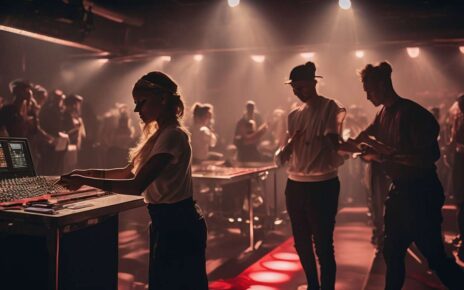
On our first night observing a club after management implemented privacy-first policies, we watched a dancer step offstage and confidently tuck away a phone that once felt like a surveillance device.
We followed her into the dim corridor, where she shared—quietly but urgently—how restricted recording, shielded locker areas, and clear boundaries with patrons reshaped her sense of safety and dignity.
That moment crystallized the real human stakes behind workplace rules: these are not abstract compliance items but practical tools that restore agency.
As researchers and storytellers, we set out to document how venues are reworking protocols.
- Examples of changes we tracked:
- Sign-in systems that protect performer data.
- Staff training that enforces consent around images.
- Physical changes (e.g., shielded locker areas) to reduce unauthorized recording.
This piece traces the ripple effects of those changes, combining interviews, policy reviews, and on-the-ground observations to show how privacy practices are translating into measurable shifts in wellbeing, workplace culture, and labor rights within exotic dancing spaces.
Policy Changes on Recording
We will update workplace policies to clearly restrict unauthorized photo and video recording and outline consequences for violations.
We will make performer privacy central by specifying where and when recording is prohibited and what counts as consent.
We will involve performers and staff in drafting recording policies so everyone feels heard and protected.
We will pair clear rules with consent training that teaches practical steps:
- How to obtain consent.
- How to document consent.
- How to withdraw consent.
- How to intervene when recording happens without permission.
We will specify disciplinary measures and a transparent reporting process so people know incidents will be taken seriously and addressed promptly.
We will ensure policy language is inclusive and accessible, using plain terms and translated versions as needed.
We will schedule regular reviews and refresher consent training to adapt to new technologies and feedback.
We will provide staff with de-escalation tools and designated points of contact.
We will reinforce that protecting performer privacy is a shared responsibility and affirm that everyone belongs to a workplace that values dignity and safety.
Performer Data Protections
We will limit collection and retention to what’s strictly necessary.
- We collect only the minimal personal data required to provide services to performers (e.g., contact info, payment details where necessary).
- We set concrete limits on which identifiers and financial details are retained and define retention periods for each data category.
We clearly define how data is used, stored, and who can access it.
- We explain storage locations (on-premises, cloud provider, region) and record which teams or roles have access.
- We describe encryption measures for data at rest and in transit and any other technical protections.
We give performers straightforward ways to access, correct, or delete their information.
- Procedures for data access requests.
- Processes to correct or amend inaccurate records.
- Clear steps to request deletion/erasure and expected timelines for completion.
We align data practices with recording and media policies.
- Any footage or audio is logged and tracked with metadata (date, participants, consent status).
- Consent for recording is obtained and documented; recordings are stored separately with stricter access controls.
We document incident response and notification procedures.
- We maintain a documented incident response plan for data breaches, including containment, investigation, and remediation.
- We notify affected performers and internal teams promptly according to defined thresholds and timelines.
We enforce consistent procedures and protections so performers feel secure and included.
- Practical, transparent processes are documented and applied consistently across teams.
- Staff training on handling performer data is essential; details about consent training are reserved for the next section.
Consent-Focused Staff Training
We will train all staff on consent best practices.
- Focus areas: clear verbal consent, recognizing non-consent cues, and properly documenting permission for recordings and interactions.
- Goal: ensure every team member understands and can apply consent standards in real situations.
We’ll create a shared curriculum that centers performer privacy and practical scenarios.
- Content elements: scenarios that reflect typical interactions, privacy-centered policies, and responsibilities for each role.
- Outcome: everyone feels responsible and supported when managing consent.
Consent training methods will include role-plays, checklists, and quick-reference guides.
- Role-plays: practice asking, pausing, and verifying consent without judgment.
- Checklists & guides: step-by-step prompts staff can use in the moment to ensure consistency.
We’ll teach staff how to enact and enforce recording policies.
- Key points: when recordings are allowed, how to obtain explicit written permission, and procedures for storing or deleting files securely.
- Security practices: access controls, retention limits, and secure deletion methods.
We’ll emphasize consistent language, de-escalation techniques, and safe reporting pathways.
- Consistent language: standardized phrases for requesting and confirming consent.
- De-escalation: techniques to handle resistance or confusion calmly and safely.
- Reporting: clear, safe channels for performers and staff to report concerns.
We’ll audit understanding with periodic refreshers and anonymous feedback loops.
- Refreshers: scheduled training updates and microlearning sessions.
- Feedback: anonymous surveys and suggestion mechanisms to adapt training to real needs.
By standardizing these practices, we will build trust and reduce boundary violations.
- Cultural impact: strengthen a workplace culture where belonging and performer privacy are actively protected.
- Measurement: monitor incidents, feedback, and compliance to gauge effectiveness and continuously improve.
Physical Privacy Upgrades
Physical upgrades to control access and privacy.
We’ll upgrade physical spaces—lockable dressing rooms, sightline barriers, and secure storage—to give dancers clear control over who sees, enters, and handles their belongings.
Key elements:
- Install locks on dressing-room doors.
- Add opaque partitions or sightline barriers.
- Provide designated lockers or secured storage with agreed-upon access rules.
- Post simple signage reminding staff and performers of shared norms.
Collaborative process and shared ownership.
We’ll make these changes collaboratively so every performer feels seen and protected, reinforcing performer privacy as a core value.
Steps:
- Consult performers about layout and storage options.
- Agree on access rules for lockers and private spaces.
- Document decisions in a short, accessible format for staff and performers.
Training and operational practices aligned with space changes.
We’ll align space upgrades with consent training so everyone understands boundaries around entrances, touch, and handling others’ property.
Practices to implement:
- Short consent and boundaries training for staff and performers.
- A brief checklist for shifts that teams review together to build trust and shared responsibility.
- Clear recording policies: no photos or video in private areas and explicit consent required for any image capture.
Enforcement and accountability.
We’ll adopt transparent consequences for breaches of privacy or recording policies and ensure everyone understands them.
Components:
- Define clear, proportionate consequences for violations.
- Communicate enforcement procedures to all performers and staff.
- Provide a simple reporting mechanism for incidents.
Ongoing review and responsiveness.
We’ll treat these policies and physical changes as living commitments, reviewing them with performers regularly and adjusting layouts or rules when someone raises concerns so belonging and safety stay central to our workplace.
Review cycle:
- Schedule periodic check-ins with performers.
- Update layouts, signage, or rules based on feedback.
- Reassess training and enforcement as needed.
Patron Interaction Boundaries
We will set clear, enforceable boundaries for patron interactions—covering proximity, touch, verbal limits, and service areas—so dancers and staff know what behavior is acceptable and how to respond to violations.
We will create a shared code that centers performer privacy and mutual respect, so everyone feels safe and included.
We will outline no-touch zones and defined lap-dance zones, and we will communicate verbal boundaries in plain language during orientations and on signage.
We will require consent training for all employees and contractors, reinforcing how to ask for, give, and withdraw consent without shaming anyone.
We will adopt recording policies that ban unauthorized photos and videos, explaining consequences and the rationale to patrons compassionately.
We will encourage peer support, so colleagues can intervene or back one another when lines are crossed.
We will document boundary norms in staff handbooks and review them regularly, so expectations stay clear as our community grows.
By aligning policies, training, and everyday practice, we build trust and belonging while protecting dancers’ autonomy and wellbeing.
Reporting and Enforcement Mechanisms
We will establish clear, accessible reporting channels and fair enforcement procedures so staff and patrons know exactly how incidents are handled and what consequences follow.
Reporting channels:
- Multiple confidential avenues: in-person reporting, anonymous digital forms, and a designated trusted liaison.
- Purpose: make everyone feel safe reporting breaches of performer privacy or violations of recording policies.
Investigation and outcomes:
- Timelines: specify expected timeframes for initial response, investigation, and resolution.
- Evidence handling: document collection, chain-of-custody, and secure storage procedures.
- Appeals: plain-language steps for challenging decisions.
Communication and protections:
- Keep victims and reporters informed throughout the process.
- Protect from retaliation with clear anti-retaliation measures and remedies.
Consent training and community standards:
- Consent training for staff and performers covering boundaries, documentation standards, and how to support reporters.
- Shared responsibility: encourage community norms that reinforce privacy and respectful behavior.
Enforcement:
- Impartial application of rules.
- Graduated sanctions for repeated recording-policy violations.
- Timely investigation and restorative options for single incidents.
Outcome: By centering shared responsibility and clear procedures, we build trust, reaffirm belonging, and ensure privacy and consent standards are upheld reliably across the workplace.
Impacts on Wellbeing
Many workplace factors—confidentiality breaches, unwanted recording, and inconsistent enforcement—directly affect mental and physical wellbeing.
We feel safer and more connected when performer privacy is respected. That sense of safety reduces anxiety, improves focus, and fosters mutual care among colleagues.
Clear recording policies remove uncertainty about when and how images can be captured. This cuts harassment and helps us rest after shifts.
Consent training isn’t just a checkbox — it equips people to set boundaries, recognize coercion, and support peers who’ve been violated.
- Regular, peer-led sessions reinforce shared values.
- They create spaces where people can speak up without fear of isolation.
When management partners with performers to craft privacy norms, we build resilience and collective agency.
Prioritizing privacy and consent strengthens our community, lowers burnout, and protects our bodies and minds.
Together, we thrive when policies match lived experience and when everyone feels seen, heard, and respected.
Legal and Labor Implications
Many legal and labor questions—around employment classification, workplace safety obligations, and photo/video evidence—directly shape how we can enforce privacy protections and seek remedies when those protections fail.
Employment classification matters. Whether performers (for example, dancers) are classified as employees or independent contractors determines access to labor protections and the ability to require employer-led privacy safeguards.
Workplace safety and harassment obligations apply. Employers may have duties under occupational safety and harassment law to minimize risks tied to unauthorized images and recordings.
Goals for workplace culture and expectations.
- Employer-supported consent training for staff and management.
- Transparent recording policies that ban clandestine filming and outline disciplinary steps.
- Contracts that specify privacy rights, reporting pathways, and remedies.
Remedies and enforcement pathways.
- Internal responses. Clear reporting procedures and prompt investigations.
- Contractual remedies. Clauses that establish consequences and damages for breaches.
- Legal action. Pursuing statutory or tort-based claims where appropriate.
Collective strategies to strengthen privacy protections.
- Center collective bargaining to negotiate enforceable privacy terms.
- Develop clear, accessible policies that set expectations and disciplines.
- Provide accessible legal resources so workers can understand and exercise their rights.
By combining classification clarity, employer obligations, contractual protections, collective bargaining, and accessible remedies, privacy becomes enforceable rather than merely aspirational.
How do these privacy practices affect the club’s profitability and ticket/cover charge pricing?
When we ask how privacy practices affect profitability and cover pricing, we see a balance: stronger privacy can boost customer trust and repeat visits, letting us maintain or raise cover modestly.
We’re likely to invest more in training and tech, which raises costs short-term but usually increases lifetime value.
We’ll position pricing to reflect enhanced safety, communicate value clearly, and monitor demand so cover changes stay competitive and community-focused.
What specific technologies or vendors are recommended for secure storage and deletion of performer photos and data?
We’re asking which technologies or vendors will securely store and delete performer photos and data.
We’ll choose vendors with zero‑trust architecture, end‑to‑end encryption, and strong audit logs.
- Examples: Tresorit, Box with Keysafe, and AWS S3 with KMS plus Lifecycle Policies and AWS S3 Object Lock.
We’ll pair those with secure deletion tools and trusted managed services.
- Examples: Blancco; Gutmann-style overwriting methods provided by reputable managed-service vendors.
We’ll contract vendors that hold recognized compliance certifications and provide clear data‑erasure guarantees.
- Examples: SOC 2, ISO 27001, and contractual data‑erasure commitments (including verifiable proofs of deletion).
Are there any insurance policy changes or new insurance options available to cover privacy breaches at exotic dancing venues?
We’re seeing insurers add cyber liability endorsements and privacy breach riders tailored to venues like ours.
We’re actively shopping for policies covering:
- Notification costs
- Credit monitoring
- Legal defense
- Reputational harm
We’re asking brokers about:
- Social engineering coverage
- Employee-error coverage
- Whether general liability (GL) policies exclude or include these claims
We’re pooling with peer venues to:
- Negotiate better rates
- Share vetted carriers who understand our work and respect our community
Conclusion
You’re seeing real change: clubs and organizations are adopting stronger rules on recording, data handling, and consent-focused staff training to protect performers.
Physical upgrades and clearer patron boundaries make spaces safer, and reporting plus enforcement mechanisms give performers recourse when violations happen.
These shifts boost wellbeing and shift legal and labor standards toward greater dignity and rights for exotic dancers.
Continued attention and advocacy will keep momentum and ensure lasting, meaningful protections.